
Robots courtesy of Daniel Brown's ARIA Lab, our collaborators on the NSF center
SPARK Lab · University of Utah
Systems for Perception, Action, Reasoning, and Knowledge
We study the convergence of automation and intelligence. Our mission is to build Lifelong Embodied Agents: intelligent systems that perceive, act, remember, and improve forever, by learning from real interaction.
Our research Join us New · NSF Center
SPARK Lab is part of the NSF Center for Human and Robot Co-Adaptation
A $30M, five-year NSF center led by UT Austin with Indiana University, MIT, Tufts, Yale, and the University of Utah, studying how people and robots learn from each other over long-term, real-world interaction. Read the announcement.
What we work on
All publications → Research
Our work toward Lifelong Embodied Agents spans three threads: computer use, embodied multimodal agents, and NLP. Pick a thread to browse related papers.
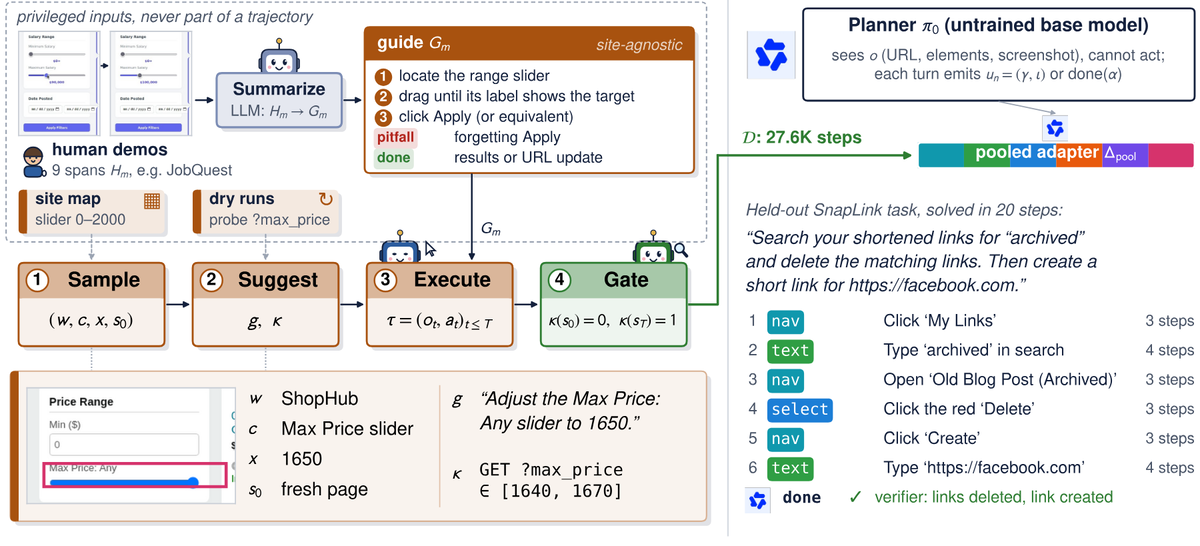
Preprint 2026
Back to Basics: A Skill-Centric Approach to Generalist Web Agents
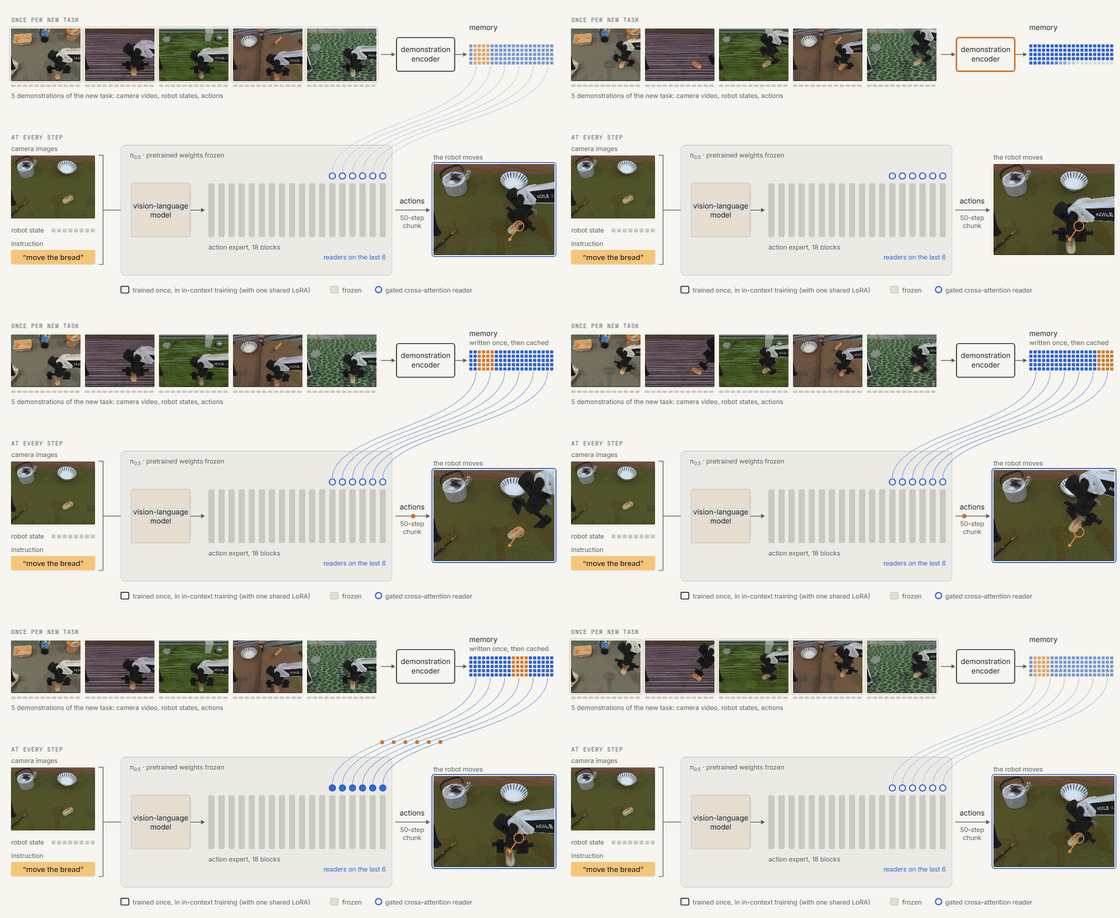
CoRL 2026 Workshops
READ: What Makes a Pretrained VLA Teachable by Demonstration?
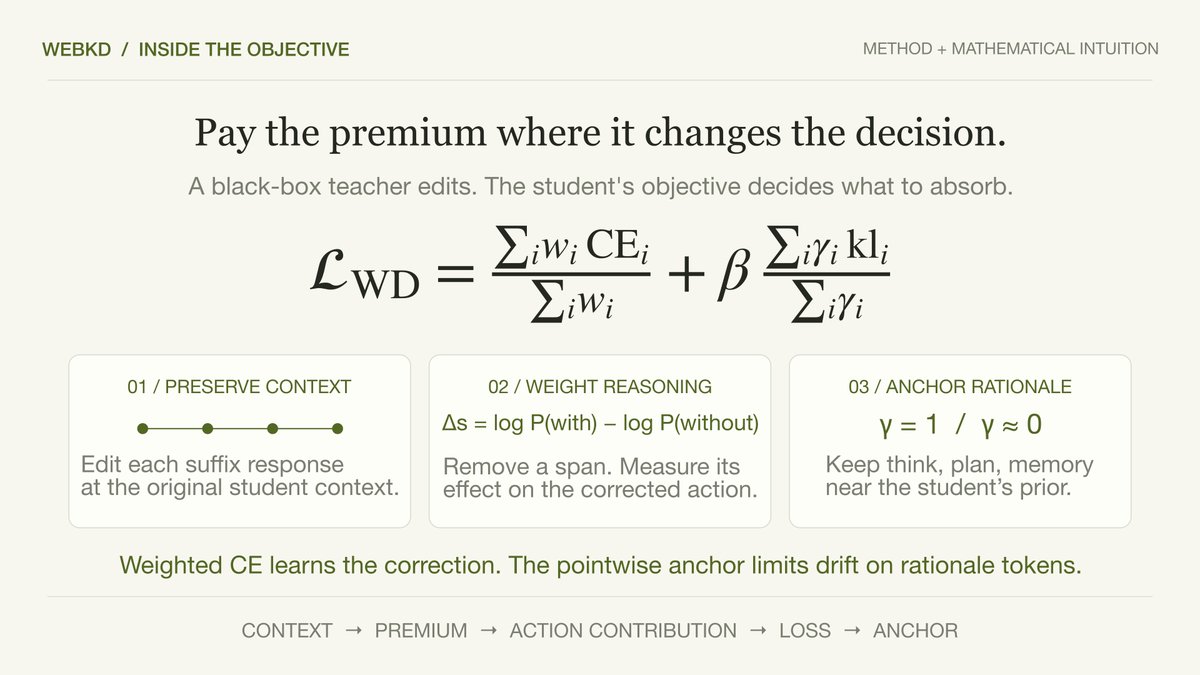
Preprint 2026
Teaching Agents in their Own Style: Blackbox Teacher Distillation for Web Agents
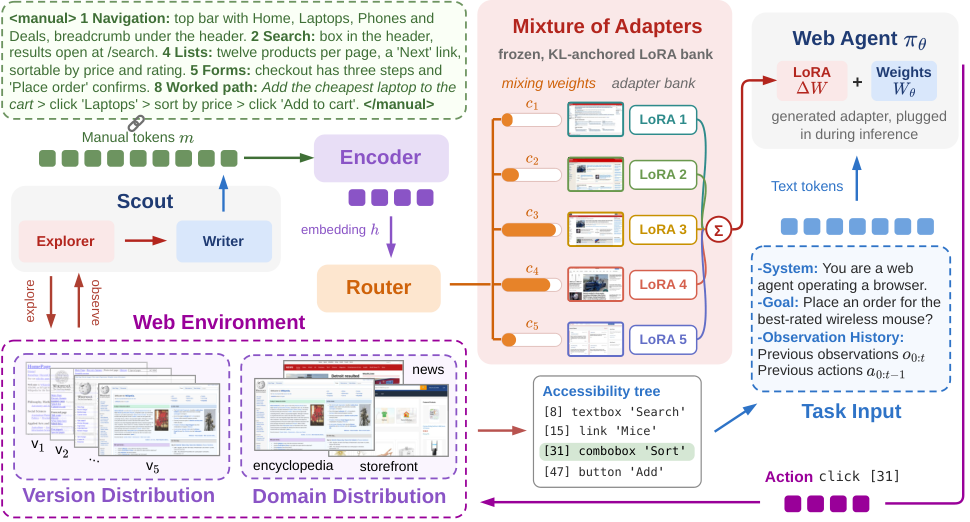
Preprint 2026
Don't Retrain, Remix: Adaptation of Web Agents using Mixture Hypernetworks
EMNLP 2026
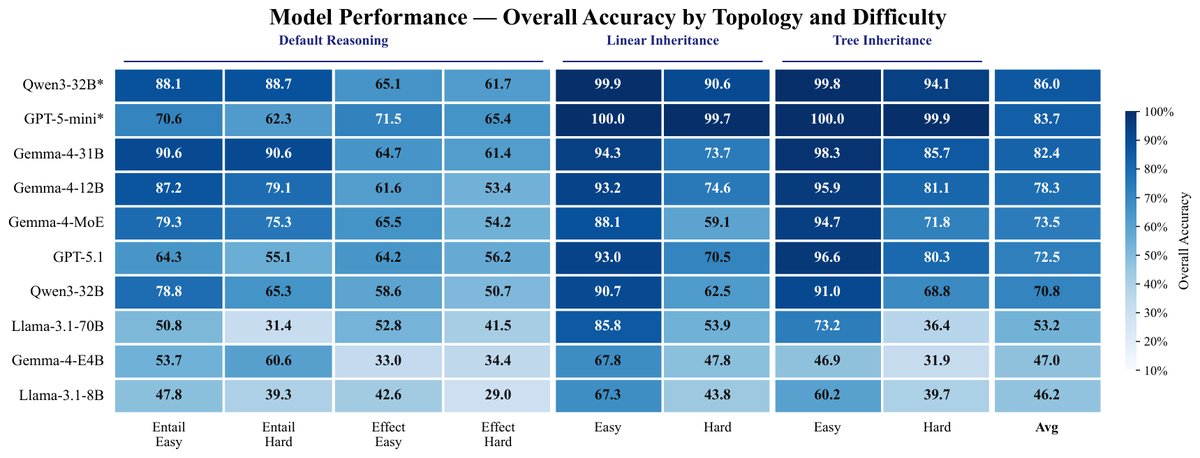
DERELAB: Probing Defeasible Reasoning and Confirmation Bias in LLMs with a Generative Benchmark

NeurIPS 2026
TimeWarp: Evaluating Web Agents by Revisiting the Past

Findings of EMNLP 2026
The Hard Part Comes After Search: Benchmarking Web Agents on Synthesizing, Organizing, and Displaying Knowledge
CoRL 2026 Workshops
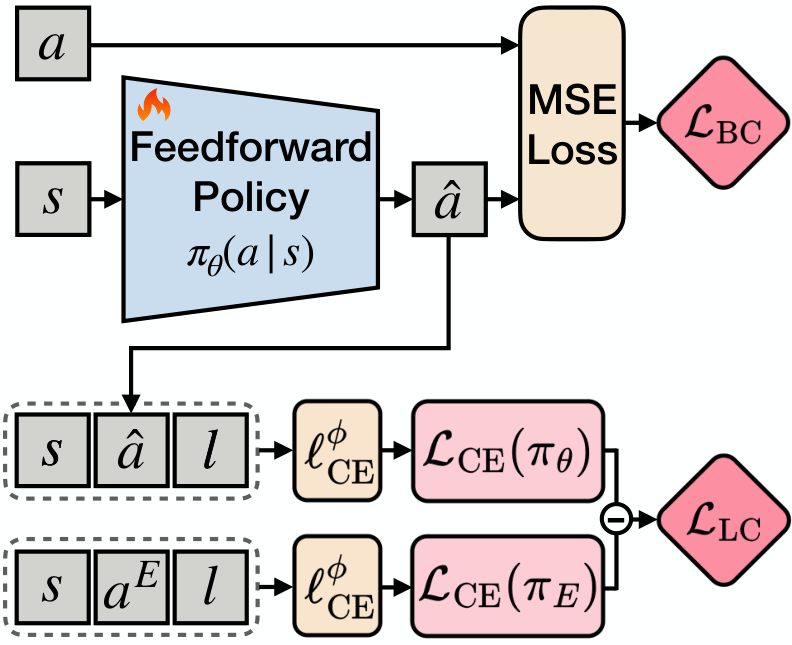
Language-Critique Imitation Learning from Suboptimal Demonstrations

Preprint 2026
DORA Explorer: Improving the Exploration Ability of LLMs Without Training

ICLR Blogposts 2026
Computer Use Survey: A Visual Survey of Computer Use Agents

Findings of ACL 2025
BriefMe: A Legal NLP Benchmark for Assisting with Legal Briefs

COLM 2025
Language Agents Mirror Human Causal Reasoning Biases. How Can We Help Them Think Like Scientists?

ICLR 2025
Efficient Exploration and Discriminative World Model Learning with an Object-Centric Abstraction

NeurIPS 2024
VLM Agents Generate Their Own Memories: Distilling Experience into Embodied Programs of Thought
News
- October 2026 LCIL, imitation learning from suboptimal demonstrations with language critiques, was accepted to two CoRL 2026 workshops: Oops, I Erred and Learning from Corrections and Interventions.
- October 2026 Two more new papers: MiniWeb, 65 connected websites for teaching web agents skills, and READ (CoRL 2026 workshops: Pretrain to Adapt and RoboMem), teaching a pretrained VLA new tasks from five demonstrations.
- October 2026 Two new web agent papers: WebKD, distilling black-box teachers into small agents, and HyperWeb, adapting agents by remixing skills with hypernetworks.
- September 2026 TimeWarp has been accepted to NeurIPS 2026!
- September 2026 SPARK Lab joins the new $30M NSF Center for Human and Robot Co-Adaptation, alongside UT Austin, Indiana University, MIT, Tufts, and Yale.
- September 2026 New robots have arrived in the lab!
- August 2026 Two papers accepted to EMNLP 2026: DERELAB (main conference) and our web agent benchmark KNOWS (Findings), a collaboration with Utah NLP!
- August 2026 New member, Minh Pham-Dinh, joined SPARK Lab!
- July 2026 Check out our new work on training-free exploration for LLM agents, DORA Explorer.
- March 2026 We launched the website for SPARK Lab!
- March 2026 Check out our web agent benchmark, TimeWarp.
- February 2026 Our Computer Use Survey has been accepted to ICLR Blogposts 2026!
- January 2026 Two new members, Dai-Jie Wu and Priya Gurjar, joined SPARK Lab!
Life at SPARK


